5 Simple Practices for Starting a Meditation Habit sets the foundation for a peaceful and mindful lifestyle, guiding you through the steps to kickstart your meditation journey effortlessly.
From understanding the basics to overcoming challenges, this guide covers all you need to know to embrace meditation as a daily habit.
Introduction to Meditation

Meditation is a practice that involves focusing the mind on a particular object, thought, or activity to achieve a state of mental clarity and emotional calmness. It has been practiced for thousands of years in various cultures and religions around the world.
There are several benefits associated with meditation, including reduced stress, anxiety, and depression, improved concentration and focus, increased self-awareness, and enhanced emotional well-being. Research has shown that regular meditation practice can also lead to physical benefits such as lower blood pressure, improved sleep, and strengthened immune system.
Impact of Meditation on Mental Well-being
- Meditation helps in reducing stress and anxiety by promoting relaxation and calming the mind. This can lead to a more positive outlook on life and improved emotional stability.
- Regular meditation practice can enhance self-awareness and mindfulness, enabling individuals to better understand their thoughts and emotions, and respond to them in a more constructive manner.
- Studies have shown that meditation can increase the brain’s gray matter density in areas related to memory, learning, and emotional regulation, which can result in improved cognitive function and emotional well-being.
- By cultivating a sense of inner peace and tranquility through meditation, individuals can experience greater resilience to life’s challenges, better coping mechanisms, and an overall sense of contentment and happiness.
Setting Up a Meditation Space

Creating a calming and peaceful environment for meditation is essential to help you focus and relax during your practice. Here are some tips on how to set up a meditation space that promotes a sense of tranquility.
Choosing the Right Location
When selecting a location for your meditation space, consider the following tips:
- Choose a quiet area free from distractions, such as noise or clutter, to help you maintain your focus.
- Natural light can be beneficial for creating a soothing atmosphere, but ensure the space is not too bright or glaring.
- Opt for a spot with good ventilation to ensure fresh air during your meditation practice.
Importance of a Dedicated Space, 5 Simple Practices for Starting a Meditation Habit
Having a dedicated space for meditation can offer the following benefits:
- It helps create a sense of routine and consistency in your practice, making it easier to establish a meditation habit.
- A designated meditation space can serve as a visual reminder to prioritize self-care and mindfulness in your daily life.
- By creating a peaceful environment, you signal to your mind and body that it is time to unwind and relax, enhancing the effectiveness of your meditation practice.
Establishing a Routine
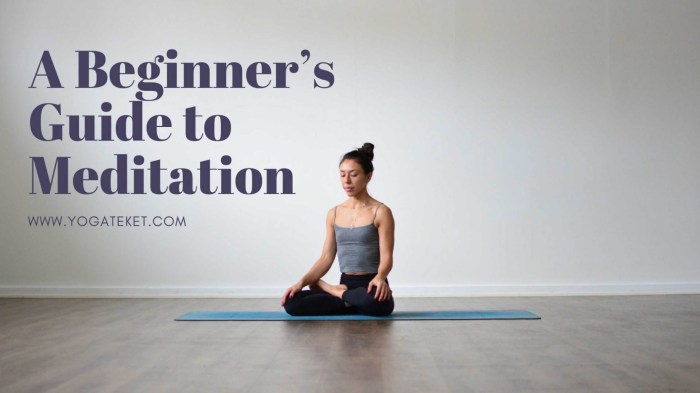
Incorporating meditation into daily life and making it a consistent habit requires establishing a routine that works for you. Consistency is key to reaping the full benefits of meditation practice.
Best Times of Day for Meditation Practice
- Morning: Starting your day with meditation can set a positive tone for the rest of the day. It can help you clear your mind, reduce stress, and increase focus and productivity.
- Evening: Meditating before bed can help you relax, unwind, and prepare your mind for a restful night’s sleep. It can also help alleviate any built-up tension or stress from the day.
- Midday: Taking a meditation break during the middle of the day can help you reset and recharge, boosting your energy levels and improving overall well-being.
Tips for Making Meditation a Consistent Habit
- Schedule it: Set aside a specific time each day for meditation, making it a non-negotiable part of your routine.
- Start small: Begin with just a few minutes of meditation each day and gradually increase the duration as you become more comfortable with the practice.
- Find a quiet space: Create a dedicated meditation space free from distractions where you can focus and center yourself.
- Use reminders: Set alarms or notifications to prompt you to meditate at your chosen time each day.
- Be kind to yourself: Understand that establishing a new habit takes time and patience. Don’t get discouraged by missed sessions, simply pick up where you left off and keep going.
Breathing Techniques: 5 Simple Practices For Starting A Meditation Habit
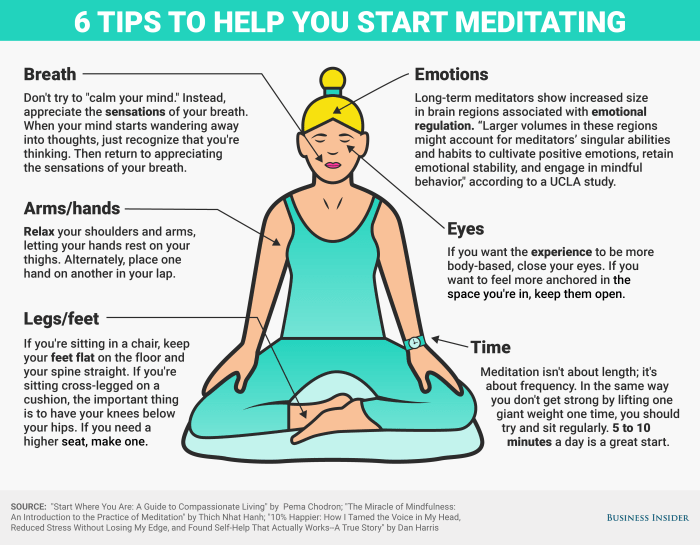
Breathing plays a crucial role in meditation practice as it helps to calm the mind, relax the body, and increase focus. Different breathing techniques can be utilized by beginners to enhance their meditation experience.
Diaphragmatic Breathing
Diaphragmatic breathing, also known as deep belly breathing, involves inhaling deeply through the nose, allowing the diaphragm to expand and the belly to rise. This technique promotes relaxation and helps to reduce stress levels.
Counted Breaths
Counted breaths involve focusing on the breath and counting each inhale and exhale. This technique helps to improve concentration and mindfulness during meditation, preventing the mind from wandering.
Equal Breathing
Equal breathing involves inhaling and exhaling for an equal count, such as inhaling for a count of four and exhaling for a count of four. This technique helps to balance the breath and create a sense of calmness and stability.
Alternate Nostril Breathing
Alternate nostril breathing is a technique where you use your thumb and fingers to alternate closing one nostril at a time while breathing in and out. This practice helps to balance the flow of energy in the body and promote relaxation.
Box Breathing
Box breathing involves inhaling for a count of four, holding the breath for a count of four, exhaling for a count of four, and then holding the breath again for a count of four. This technique helps to regulate the breath and calm the nervous system.
Benefits of Proper Breathing
Proper breathing techniques in meditation can enhance the overall experience by reducing stress, increasing focus, promoting relaxation, and improving mindfulness. By incorporating different breathing techniques into your meditation practice, you can deepen your awareness and create a more profound sense of peace and clarity.
Overcoming Common Challenges
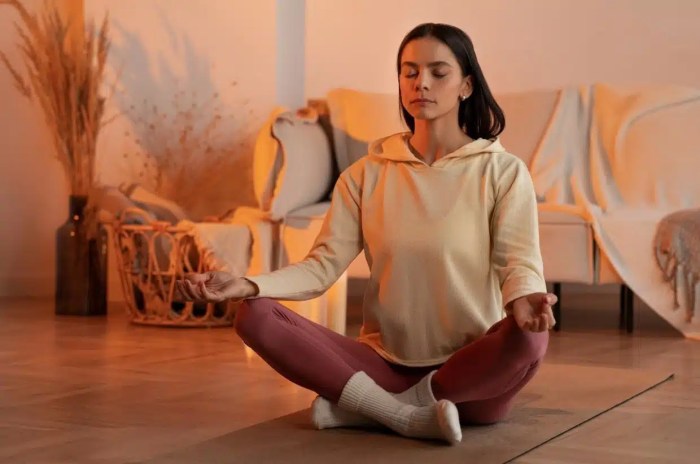
Starting a meditation habit may come with its own set of challenges, but with the right strategies, you can overcome them and establish a consistent practice.
Identifying Common Obstacles
- Distractions: It’s common to get distracted by noises, thoughts, or physical discomfort during meditation. To overcome this, try to gently bring your focus back to your breath or a specific point of concentration.
- Lack of Time: Finding time for meditation can be challenging in a busy schedule. Consider waking up a few minutes earlier or incorporating meditation into your daily routine to make it a priority.
- Inconsistency: Maintaining a regular meditation practice can be difficult. Set realistic goals, start small, and gradually increase the duration of your sessions to build consistency.
Solutions for Overcoming Distractions
- Focus on Breath: Use your breath as an anchor to bring your attention back whenever distractions arise.
- Acceptance: Acknowledge distractions without judgment and gently guide your focus back to the present moment.
Mental and Emotional Challenges
- Restlessness: Feeling restless or impatient is common, especially for beginners. Practice patience and allow yourself to sit with these feelings without reacting to them.
- Resistance: Some individuals may face resistance to meditation due to discomfort with stillness or facing their thoughts. Approach these challenges with kindness and curiosity, allowing yourself to explore these emotions without judgment.
Closing Summary
Embark on your meditation journey with these simple practices, and experience the transformative power of mindfulness in your everyday life. Start today and cultivate inner peace and mental clarity through the art of meditation.